Replaced lamps

I finally got a supply of the most common bulbs in the machine – #555’s. I noticed a few burnt-out bulbs while playing, and a quick run through the lamp test mode made it easy to narrow them down.

Some of the bulbs are directly accessible under the playfield, while others require a small PCB board to be removed. I was glad I took the time to remove these PCBs, as many of the bulbs that were “working” were covered in black filth! They were easy to clean, and the result is more light in the game. 🙂

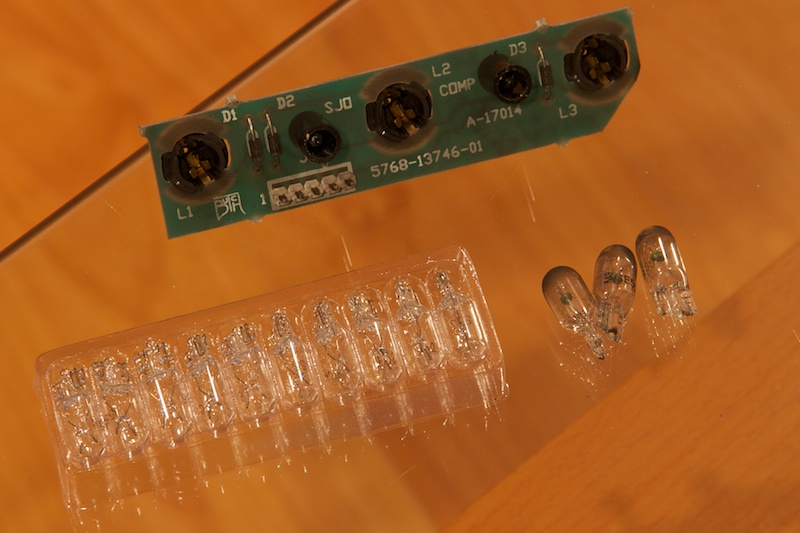
Here’s a photo of the largest lamp PBC in the game, which lights up the mission lights and the shields:

Turns out inserting bulbs can require quite a bit of force, as the sockets can be very stiff. I ended up pushing hard enough on a socket that one of the pin solder joints came loose and the socket bent away from the PCB:

It was an easy fix with the soldering gun, even for a novice like myself. Here the same PCB is re-assembled and all its lights are on:

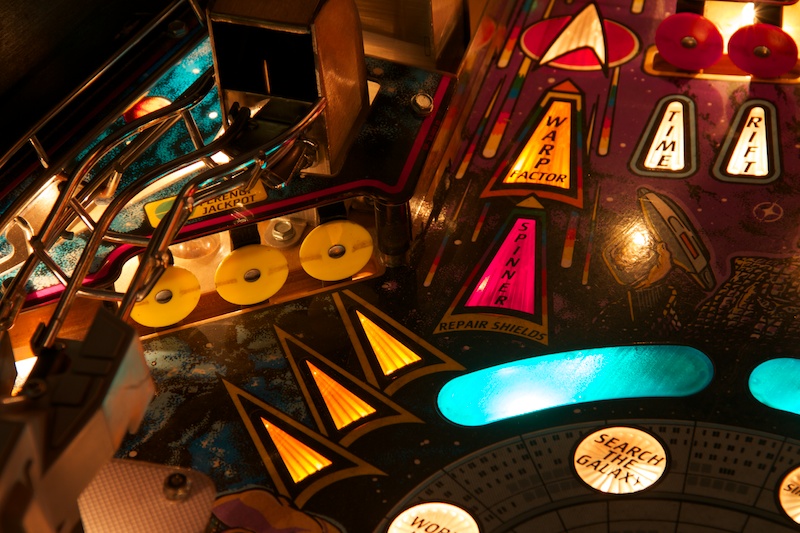
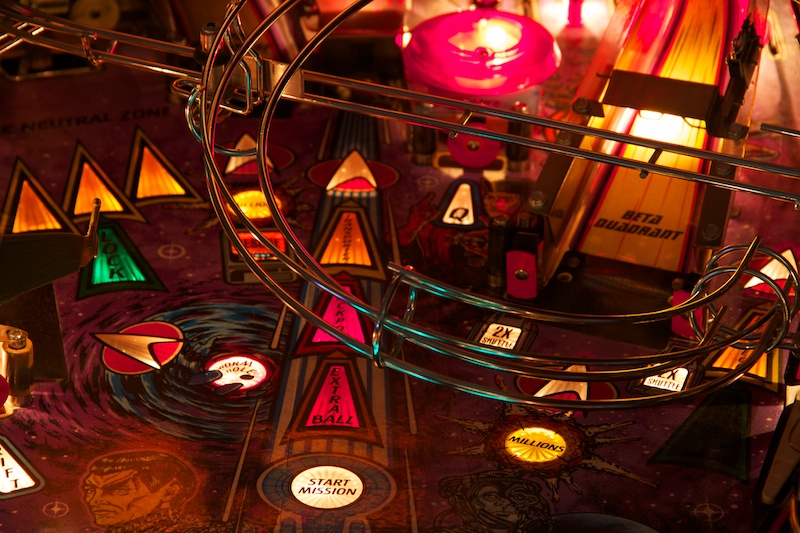
And finally, a few pictures of the playfield, just for fun. Click on the last image for a high-resolution shot of the full playfield.

Posted in Uncategorized | Tagged | 2 Comments

Catapult issues resolved

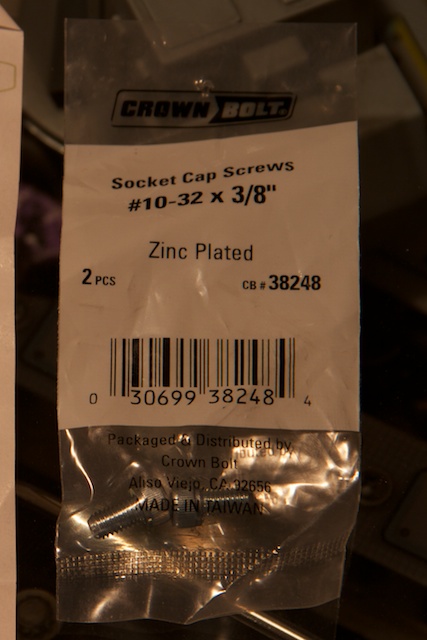
I looked up the part number for the missing catapult screw in the service manual. It is listed as “Cap Screw, 10-32 x 3/8 SH”. There’s alot of information in there – let’s look at each piece one at a time. The screw can be more verbosely describes as such:

So I ran an errand to Osh during lunch and sure enough they had a huge selection of machine screws – got exactly what I needed, and for only 59c:

And voilà! A shiny new screw for my catapult assembly:

Everything came into alignment and the catapult arm moved easily. To my surprise, however, the catapult still didn’t have enough force to propel the ball into the rat hole under the Borg ship! My repair had failed!

I watched the machine futilely try to get the ball to its subway system, launch after launch through the catapult. It became apparent that my repair had done something, after all – it made the launches much more consistent. Instead of a hodgepodge of slow and fast launches like before, the ball made it just shy of the rat hole pretty much every time. So I took solace in the fact that even though I had not solved the problem, I had at least improved the machine in some way.

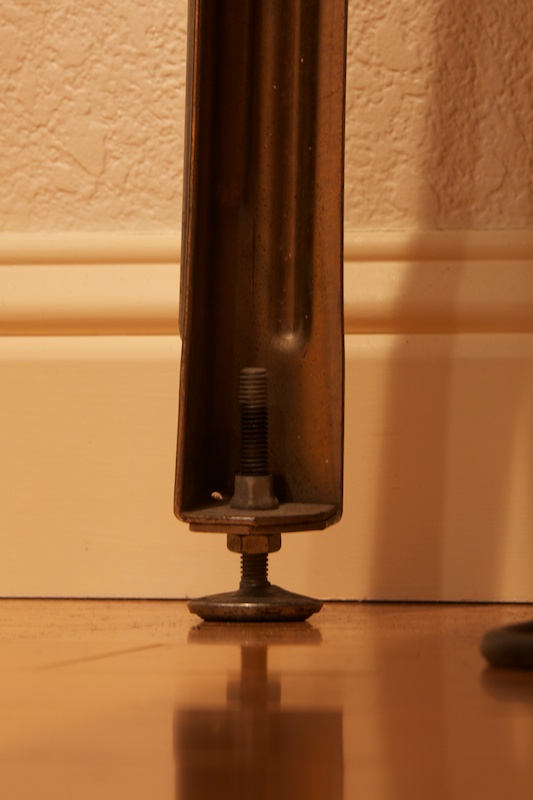
I thought some more about the problem and came to a conclusion: the catapult is fighting gravity when it shoots the ball up the table. If the incline of the table was too steep, the ball would not have enough energy to get to the rat hole. So I looked down at the feet of the table, and the problem was staring me right in the face. I didn’t bother leveling the table after first getting it to the house! And the leveling feet were extended almost all the way up in the back, and were all the way down in front. Surely the table is too steeply inclined!

Sure enough, after correcting the table angle with the adjustment feet, the ball now makes it easily to the rat hole every single time. That was alot of time spent thinking about a problem I wouldn’t have had if I had simply followed all of the directions in the manual 🙂

Posted in Uncategorized | Tagged | Leave a comment

Diagnosing the catapult fault

STTNG doesn’t have a standard plunger to launch the ball like most pins. Instead it has a trigger-controlled catapult that launches the ball using a solenoid and plunger – the same kind of actuator that powers flippers.

On my machine, the ball isn’t getting as much speed as it should. It’s pretty obvious because when the ball is launched, it is supposed to have enough speed to hit the drop target under the Borg ship and get into the rat hole. Most of the time, it doesn’t. This is a critical fault because of the way the game works: by launching balls into the rat hole, it pre-loads balls in the underground tunnels so that the machine is always ready to load the phasers. If the catapult can’t reach the rat hole under the borg ship, balls don’t get to where they need to be and the machine won’t let you start a game.

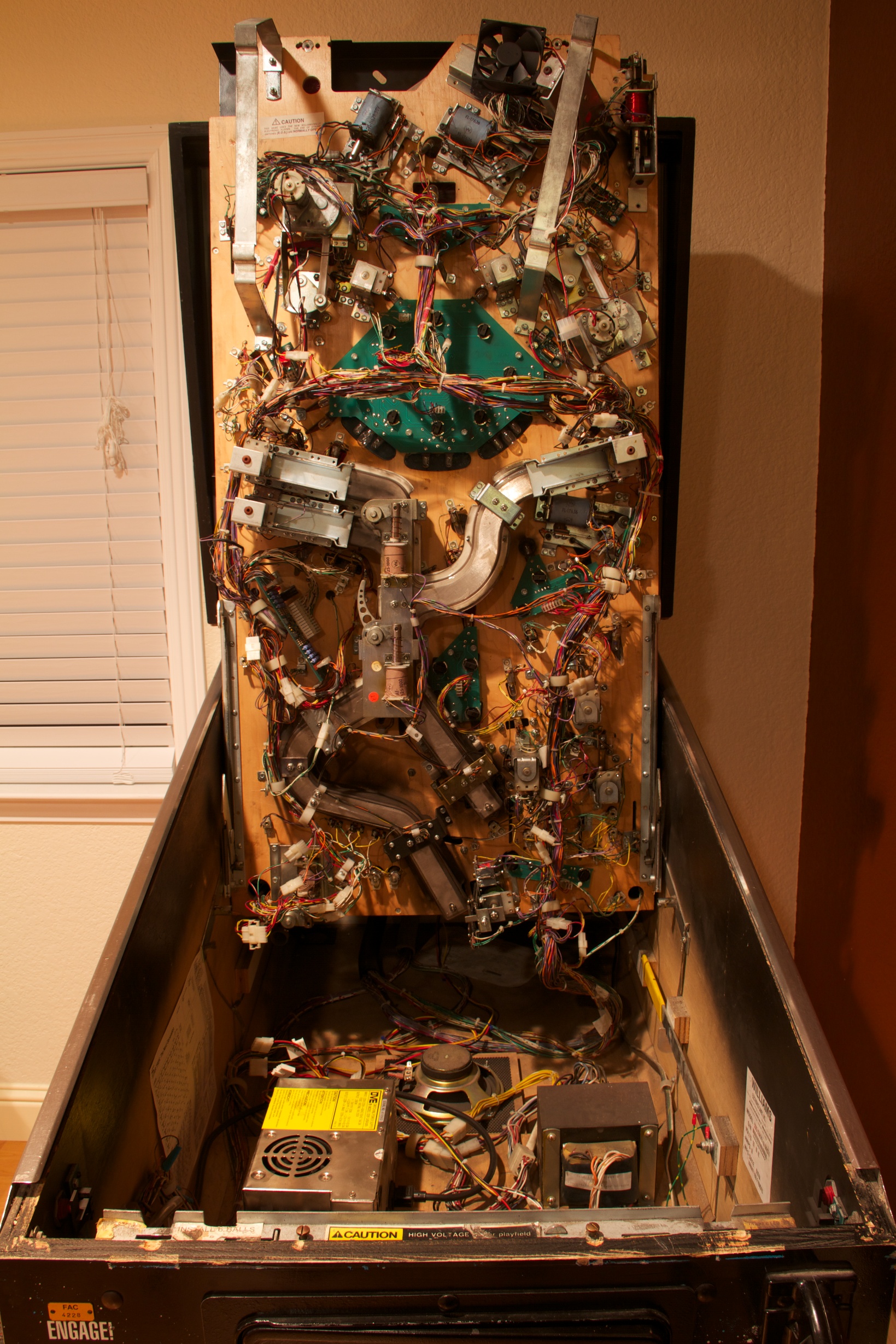
I raised the playfield to take a look at the catapult assembly from underneath. You can see it at the very top right in the picture below.

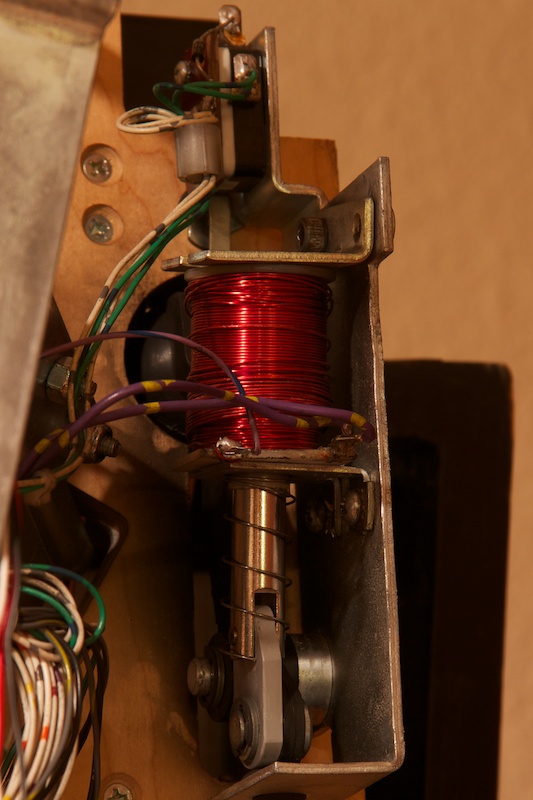
It is pretty obvious when looking at this in detail why it’s not working consistently. There are two screws that secure the stop bracket to the catapult bracket, and one of them is missing! Look just above and to the right of the red coil in the picture below:

Without that second screw, neither the stop bracket nor the coil are secure… As a result, each time the plunger is actuated, the whole assembly shifts and moves around a bit. That can’t be good, since proper alignment of the coil and plunger is critical to smooth operation. Sure enough, a good amount of resistance can be felt when driving the plunger by hand. When taking care of aligning everything, however, the resistance is gone and the plunger moves easily.

So, it looks like the problem with my catapult may just be a missing 39c screw!

Posted in Uncategorized | Tagged | Leave a comment

My first machine!

Today I purchased my first pinball machine! Williams machines from the 1990’s have always been my favorites, and there’s no denying I’m a Star Trek: The Next Generation fan, so when I had a chance to buy a ST:TNG machine at a pretty decent price, I jumped on it. I’ve played it a few times before and knew it was a great game.

First, some background. ST:TNG is a Williams SuperPin from 1993. Superpins were a line of machines from that era that were a bit wider than normal machines. This opens up the playfield quite a bit and gives the designer room to pack more “stuff” into the game, but it also made the games more expensive to manufacture. The honor to create these games went to the top brass of designers including Pat Lawlor and Steve Ritchie.

Ritchie designed ST:TNG, which is a particularly sought-after machine – it’s #4 in the all time best Solid-State machines list at ipdb.org at the time of writing. The game features 3 flippers, lots of good ramp shots, an insane 6-ball multiball mode, great audio with voice-overs recorded by the cast of TNG & the theme music of the show, great graphics and animations on the dot-matrix LCD screen, and a variety of gadgets on the playfield including two “phasers” that swivel and let you shoot the ball out. It’s good stuff!

ST:TNG Pinball links:

The haul home

I was lucky enough to have some awesome friends help me haul the machine home. There were four of us and still the machine felt pretty darned heavy. The manual lists it as 322 lbs (crated), so forget about moving one of these things around without either a really specialized dolly or some friends. I had measured ahead of time and was pretty sure it would fit in the back of my jeep cherokee, so we went ahead and removed the two front legs first, slid it in front-first, then removed the back legs and pushed it all the way in. It was close, but the back hatch on the jeep closed without any problems! Excellent!

Got the machine home and did the reverse procedure – pull machine out a little, install rear legs, pull it out some more and install the front legs! The jeep sure came in handy today!

The work begins

And now the work of restoring the machine back to original condition (or as close to it as possible) begins. In general it’s in pretty good condition, but there are are definitely some issues to get worked out – much more on that in future posts. About me: I’ve gotten my hands dirty on pins only a couple times before, so I really don’t have that much experience with this stuff – I’m sure it’s gonna be a great learning experience. Luckily the service manual is readily available online and there’s tons of info about pinball repair out there.

Summary of work done on day 1:

  • Removed Backglass and separated translite from glass panel. Cleaned both sides of each with damp cloth, making sure not to scratch the translite. Re-assembled with fresh tape. Not sure how they are assembled at the factory, but mine was held together by what looked like 10-year old tape that was falling apart.
  • Cleaned cabinet. Many years of dust on this thing!
  • Removed playfield glass and cleaned both sides.
  • Started cleaning playfield. It is in desperate need – there’s a black film covering most of the of surface of play and it looks pretty terrible. Damp cloth worked pretty well – I was happy to see how nice the playfield looks after cleaning. Only touched a small fraction of the surface though. Will also try to get some Novus cleaner to get a deep clean.
  • Explored the diagnostic menus. There’s lots of stuff in there including the ability to test every single switch and lamp in the game. Ran through lamp test mode to see how many lamps are burnt out – at least 3 or 4. Will have to order a supply of replacement bulbs.
  • Played a bunch of games to figure out what works and what doesn’t. Or maybe it’s cause I just wanted to play? No, I’m listing this under “work” so that’s my excuse and I’m sticking to it 🙂

Well, that’s it for today! Here’s a pic of the machine, which is in the living room for now. It will move to the office when I have cleared out some space for it in there.


Posted in Uncategorized | Tagged | 2 Comments